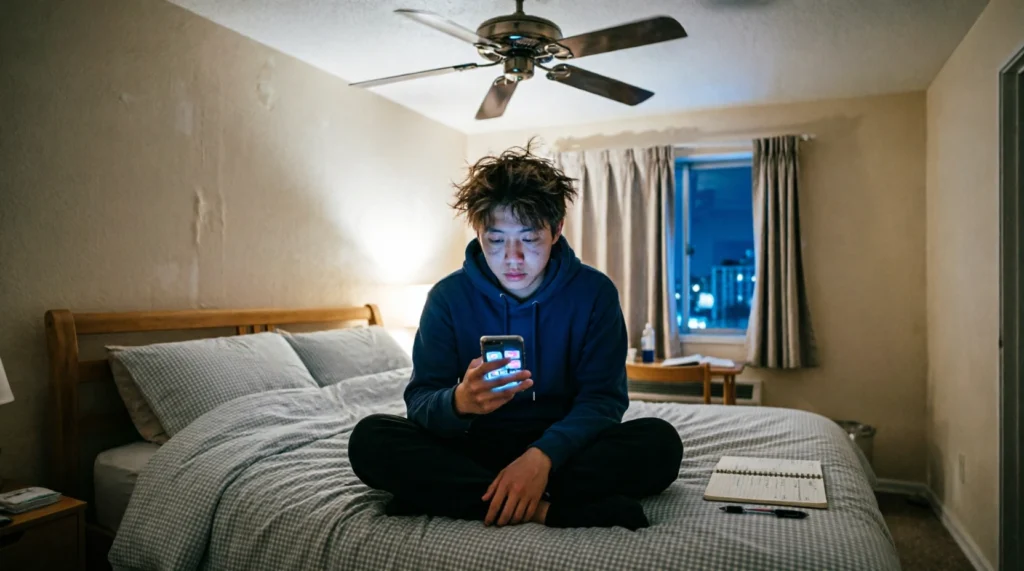
Hey, imagine this. It is a very late night again, my fan is working at full speed because the heat is not stopping, and I am looking at my phone screen once more. Instagram reels one after another, then WhatsApp groups exploding with college memes and last-minute assignment panic. I just hang on for a moment and realize that I don’t even remember what I read a few minutes ago.
My brain is totally fried. Does it sound like your evenings as well? It was my limit. That is why I chose to go cold turkey, one complete 24-hour digital detox. No screens at all. No phone, no laptop for taking notes, no YouTube as background noise, zipped. Just me, a piece of paper, and whatever real life was up to. I was curious to find out if everything people tell about a screen-free day that supposedly restores your concentration and mood is really true for an ordinary student like us who has a less than perfect lifestyle and not for some wellness guru with a perfect routine.
Spoiler: it was harder than I thought at first, but by the end of that day my head felt clearer than it had in months. In this post I’m going to walk you through exactly how it went hour by hour-ish (because who counts perfectly?), the weird feelings, the good surprises, what little science bits I looked up later explained, and tips so you can try your own unplug challenge without wanting to quit after two hours. If you’re buried in JEE prep, semester exams, or just endless scrolling, this might be the small reset that changes things.
Why I Finally Said Enough to My Phone Addiction as a Student
You know how it starts innocent. First year of college, phone is just for staying connected with family back home, checking timetable, maybe some light memes. Then slowly it creeps in. Wake up and check WhatsApp status. Brush teeth and reply to group chat. Breakfast, scroll Instagram while eating paratha. Class’s phone is under desk for quick glances. Even study time turns into “one quick video for motivation” which becomes two hours lost.
By second year I was easily hitting 8-9 hours screen time daily. My eyes hurt by evening, my head felt heavy, couldn’t remember what I studied five minutes ago. One night I tried to revise thermodynamics formulas and kept opening reels instead. Next day small test, blanked out on basics. That was the moment. I thought, if you don’t change something now, how will you survive placements or GATE prep?”
I’d seen friends talk about “digital detox” or “24 hours without phone” on Reddit threads or YouTube, but it always sounded like rich people stuff – going to hills, meditation retreats. But I read that even one full day offline can reset your brain’s attention span and lower that constant anxious buzz. Students search all the time: “how to stop phone distraction for studies”, “ways to increase focus in college”, “24 hour digital detox benefits”. So I decided to test it myself. Not forever, just one Sunday. What could go wrong?
Picked a weekend with no submissions due. Told mom I’d be offline (she laughed and said “good luck beta, you’ll last two hours”). Warned close friends on Saturday night. Hid phone in old school bag on top shelf. Set up everything else. Felt nervous but also excited – like skipping a boring lecture but for my brain.
Preparing Properly: What I Did the Night Before So I Wouldn’t Give Up Early
If there’s one thing I learned from past failed attempts at phone breaks (like “no social media for a week” which lasted 36 hours), it’s that preparation matters more than willpower.
Here’s what I actually did:
First, found my ancient alarm clock from class 10 board exams. Still ticks loud enough to wake the dead.
Pulled out two books: one novel I’d bought during Diwali sale and never opened, and my mechanics textbook (figured if boredom hits hard I might as well study old-school style).
Grabbed a fresh notebook and three pens – one blue, one black, one red for underlining.
Stocked kitchen with easy stuff: rice, dal, potatoes, onions, some mangoes from fridge. Didn’t want hunger to become excuse to order food and use phone for Zomato.
Kept my old sports shoes ready for walking roads empty on Sundays, perfect for thinking.
Decided strict rules: no phone, no laptop (even for offline notes – too tempting to open browser), no TV (cable is there but I never watch anyway), no smartwatch. Only exception: landline if real emergency.
Many students ask me later: “What about important college group messages or professor announcements?” Truth is, I worried too. But I realized 99% of “urgent” stuff waits. If syllabus change or deadline shift, friends would come knock or mom would tell me. Nothing collapsed in 24 hours.
By 11 p.m. Saturday everything was set. I deleted Instagram and YouTube apps just in case temptation hit at midnight. Slept surprisingly well – no late scrolling guilt.
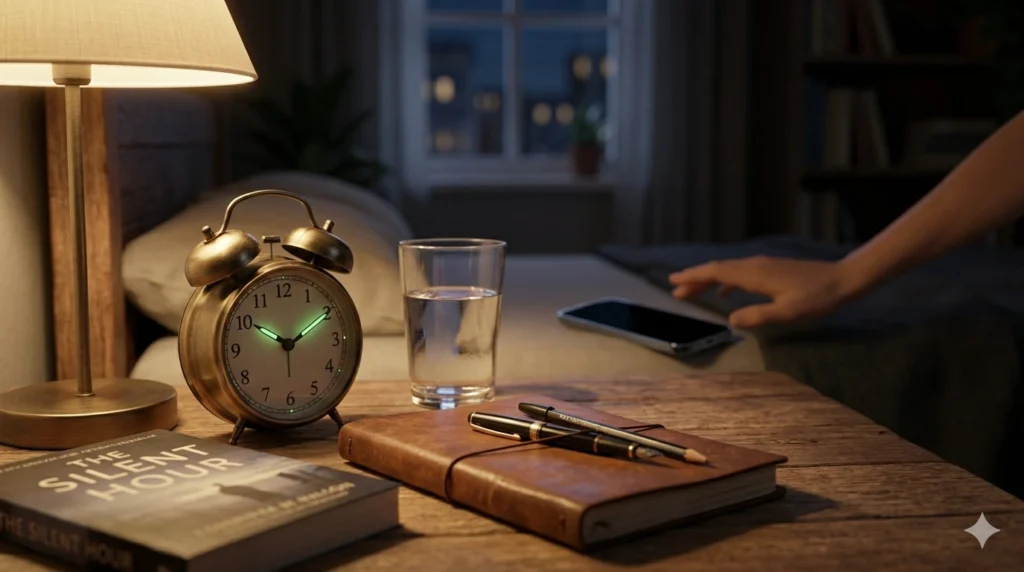
The First Tough Hours: Withdrawal Hits Hard (8 AM – 11 AM)
Woke up at 7:30 from the loud clock. First thing – no phone to check time or notifications. Weird freedom.
Made tea on gas stove slowly. Smelled the ginger and elaichi properly instead of gulping while watching shorts. Felt nice for ten minutes.
Then the itch started.
Around 8:30 my right hand kept going to empty pocket. Felt fake buzz twice – classic phantom vibration. Heart picked up speed thinking “what if group project update?” or “what if crush posted story?”
By 9:30 I was restless. Paced living room like caged animal. Tried sitting with book but eyes wouldn’t stay on page. Mind kept saying “just check once, five minutes”. Had to literally sit on hands.
This is the dopamine withdrawal people talk about. Your brain got trained for quick hits: ping = reward. No pings = panic. Felt stupid for being so dependent.
To fight it I went to balcony. Watched street: vegetable vendor pushing cart, kids kicking football, stray dog sleeping under tree. Counted different birds I could hear. Laughed at how silly I felt. Small distraction but it helped pass time.
By 11 AM restlessness eased a tiny bit. Not gone, but manageable. Lesson: first 3 hours are hardest – push through, don’t negotiate with brain.
Boredom Turns into Something Surprisingly Nice (11 AM – 3 PM)
This is when magic started creeping in.
Around noon I got hungry. Cooked simple aloo sabzi and rice. No phone, no music. Just sound of knife on board, sizzle in kadhai, pressure cooker whistle. Ate slowly at table. Tasted every bite – spices, salt, heat. Usually meals are rushed with screen. This felt… full.
After lunch went for walk around colony. No earphones. Footsteps on concrete, wind on face, kids shouting “howzzat” during cricket. Noticed small things: yellow flowers on creeper wall, smell of wet earth from morning watering, old aunty feeding pigeons.
Thoughts wandered freely. Remembered school trip to Dalma hills, laughed thinking about how we got lost. Planned what subjects to revise next week without pressure. No urge to capture moment for story.
Back home around 2 PM. Sat with notebook. Started writing random thoughts: what stresses me most in college, what I actually enjoy, silly fears about future. Words came easy – no deleting, no perfect sentences. Felt like talking to myself honestly.
Many people say boredom in digital detox is enemy. But for me it became friend. When no quick escape, brain starts creating its own entertainment. Like forcing yourself to play without cheat codes – suddenly game gets interesting again.
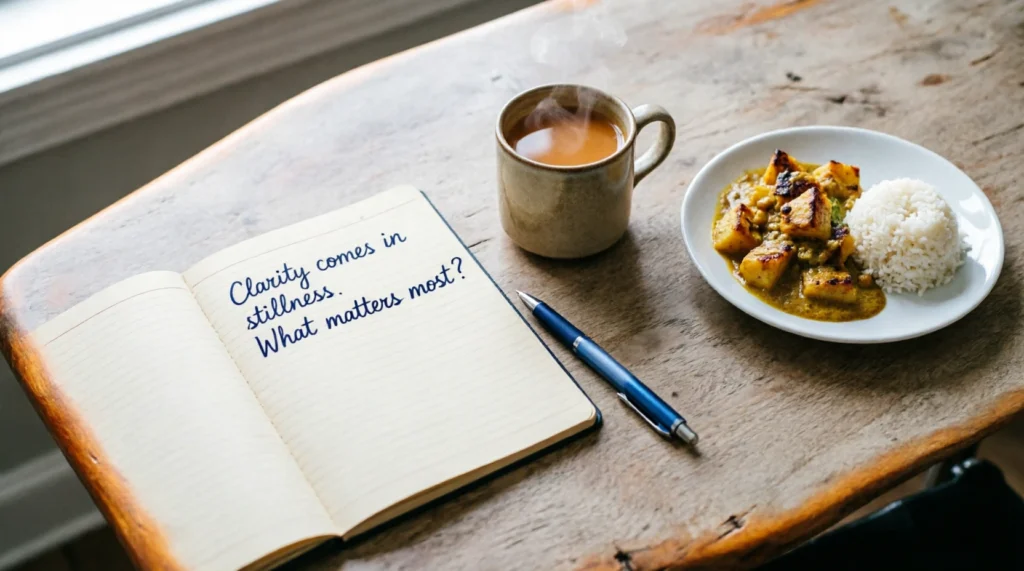
Peak Clarity and Creative Flow: The Best Part of the Day (3 PM – 7 PM)
This stretch was pure gold.
While cleaning room (dusting shelves to stay busy), suddenly understood a concept from fluid mechanics I’d been stuck on for weeks. Usually I’d Google or watch video. Here? Mind connected dots alone. Grabbed notebook, drew rough diagram of Bernoulli’s principle with arrows. Made sense instantly.
Then brainstormed ideas for mini project on renewable energy. Usually I’d open ten tabs, get overwhelmed. This time one straight flow: problem → possible solutions → materials needed → timeline. Filled three pages without stopping.
Felt powerful. Like brain finally had space to think deeply instead of shallow jumps.
Went for second longer walk to Tata Steel Zoological Park area (it’s close, peaceful on Sundays). Sat on bench watching deer. Mind drifted to bigger things: career after B.Tech, maybe masters abroad, or startup dream. No Google to distract – just honest reflection.
If you’re a student prepping for competitive exams or writing reports, this mid-day phase is why 24-hour digital detox is worth trying. Attention span stretches back, ideas connect, procrastination drops.
Evening Connections and the Small Dip (7 PM – 10 PM)
Dinner time with family felt different.
No phone on table. Mom cooked chicken curry (my favorite). We talked properly – she asked about friends, studies, even teased about marriage jokes. I listened without half-eye on screen. Laughed louder, shared stories from college fest. Felt closer even though same house every day.
After dinner called old school friend on landline. Talked 50 minutes straight. No “haha” texts – real laughs, pauses, voice changes when serious. Realized how much I missed proper conversations.
Then 8:30 PM dip came.
Energy low. Tried reading novel but focus slipped. Mind wandered to “what reels am I missing?”, “did anyone text?”. FOMO hit mild but real. Felt bit lonely despite family around.
Wrote in notebook: “Quiet feels heavy sometimes. But maybe that’s okay.” Naming feeling made it smaller. Did 20 push-ups, washed face with cold water. Dip passed.
Cooked evening chai mindfully. Smelled cardamom, watched leaves swirl in cup. By 10 PM ready for bed.
Best Sleep in Months and Fresh Morning After
Went to sleep at 10:30. No blue light, no last scroll. Fell asleep in minutes. Dreamed normal stuff – no nightmares about missed deadlines.
Woke 6:45 AM feeling… light. Head clear, no groggy fog. No instant phone grab. Made bed, did some stretching, felt alive.
That morning clarity stayed whole next day. Studied two chapters without distraction. Felt proud.
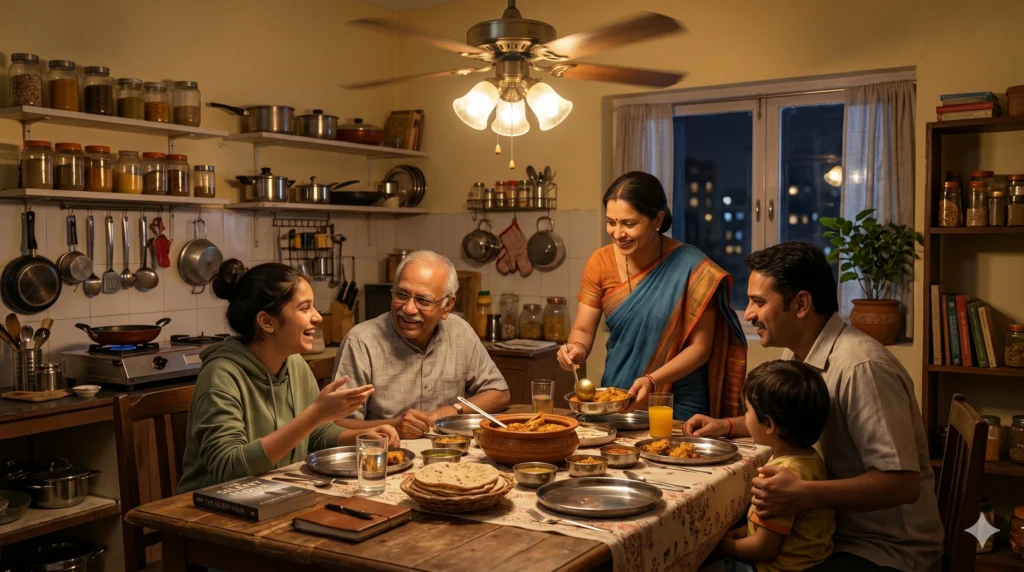
What Science and Real Life Taught Me About Screen Breaks
Later read simple explanations. Phones give dopamine hits like small wins. Too many → brain wants constant stimulation → normal life feels boring.
One day break calms reward system. Attention recovers because no interruptions (studies say each distraction costs 20+ minutes to refocus). Sleep improves – no melatonin block from blue light. Mood better – less comparison anxiety from social media.
For students: better memory retention, less overwhelm during exams, sharper problem-solving.
Long-Term Changes That Actually Stuck
Week after: screen time dropped to 4 hours naturally. Notifications off except important ones. Study blocks with phone in another room. Ate meals screen-free. Charged phone outside bedroom.
Monthly one detox Sunday now routine. Not perfect, but life feels less noisy.
Answering Common Student Doubts Honestly
“What if emergency?” – Nothing happened. Real stuff finds way.
“Boredom too much?” – Yes first hours, then creativity kicks in.
“Hostel life impossible?” – Start with phone-free study hours or evenings. Use common room books.
“Will grades improve?” – Indirectly yes – better focus = better understanding.
Step-by-Step Guide for Your Own 24-Hour Digital Detox
- Pick low-pressure day (Sunday best).
- Tell family/friends 1 day before.
- Hide all screens far (cupboard top shelf).
- Gather alternatives: books, notebook, walking gear, simple food.
- Set rules clear (emergency landline only).
- When urge hits: walk, write feeling, do exercise.
- Track thoughts in notebook hourly.
- End gently – reintroduce screens slowly, delete distracting apps first.
- Start smaller if nervous – try 6 hours first.
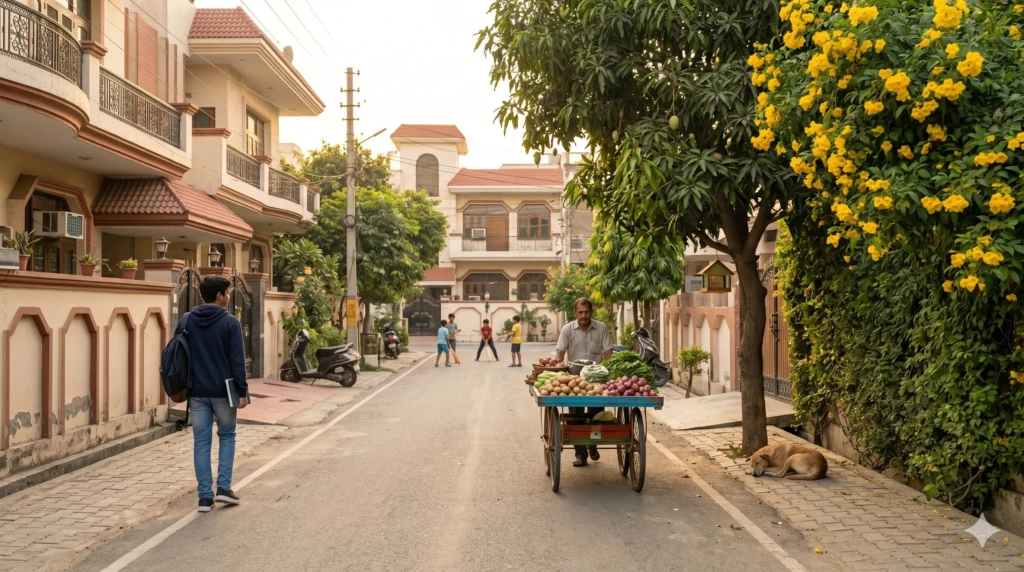
Final Thoughts
That one 24-hour digital detox didn’t magically fix my life. But it showed me how much quieter and sharper things can feel without constant digital noise. In heat, with college pressure, small resets like this help one survive and maybe even enjoy the ride.
If you’re feeling scattered, tired, distracted, try it. One day. Your future self (the one acing exams, sleeping well, actually present with friends) will thank you.
You got this bro. Hit me up after you try – tell me how far you lasted or what surprised you most.
If you liked this digital‑detox reset, you might also enjoy: