Truth is, searching for work today can feel like talking to an empty room. Spend hours fixing every line of your resume, send it off ten times, yet after all that… quiet. Not a single message back. Nothing automatic, not even a quick note saying they passed. Just stillness.
A chap I know – Rahul – finished school last year, earned a solid engineering diploma from a recognized institute. Across four months, he sent applications to more than eighty firms. Just four ever replied. That is not eight. Not six. Four replies only. The guy is sharp. Marks were good enough. Then again, why such poor results?
Nowadays, getting hired feels unlike just a short time back. Before someone reads your resume, software checks it first. Firms move slower when bringing on new people. Money decisions drag out more these days. Everyone around applies online now – yes, even you. Here’s how six real job search moves play out today, tested and working, nothing copied from old guides gathering dust since 2019.
Why the Old Way of Job Hunting Doesn’t Work Anymore
What shifted matters more than you think. Without that piece, fixes feel confusing instead of clear. So let’s start there – seeing what altered changes everything about how answers land.
Years passed like that. Most people stuck to one routine. Toss your resume onto websites. Hit apply on dozens of listings. Then sit. Wait turned into days. Days stacked up. They named it spray and pray. A clumsy phrase. Yet truth hid inside it. Results came through sometimes. Not often. But enough to keep hope alive.

Not a single bit now.
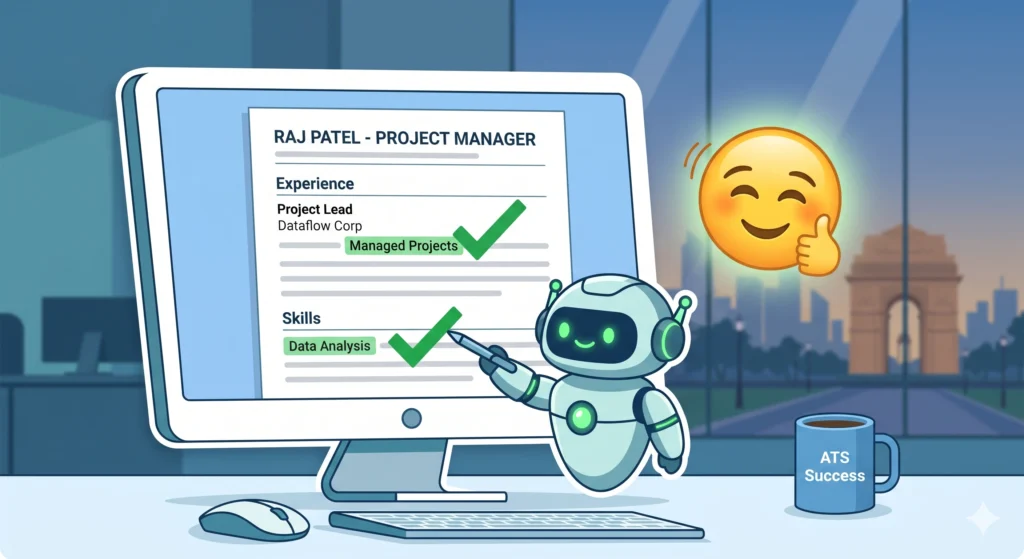
That is the reason. Most midsize to big businesses rely on a tool known as an ATS – Applicant Tracking System. Imagine it like software scanning every resume first, ahead of people seeing it. This system hunts certain words, reviews how clean your layout looks, then picks if you deserve a glance from hiring staff. A mismatch between your resume and the job criteria means instant removal – no notice given. Silence follows when the system rejects you.
These days, hiring by skill is standard practice. What matters most to companies isn’t your school but what you’re able to deliver. In the U.S., roughly seven out of ten employers judge applicants through proven abilities instead of diplomas only. The trend? It’s rising steadily.
Maybe stop a moment if your plan stays “send off tons of apps and wait.” It isn’t flawed effort, just outdated rhythm – like dancing to music that shifted tempo without notice.
Strategy 1: Know Exactly What You’re Looking For Before You Apply
Not surprising, yet nearly everyone ignores this step. Spotting an opening online, folks figure they might manage the work – so they send in their details. Later, things fall apart during the conversation with hiring staff simply because real preparation never happened.
One lazy Tuesday, picture yourself doing the same task every morning. Think about which fields keep adding jobs – where people are signing contracts lately. Instead of guessing, list what feels reachable using skills already in your hands. Pause there. Let that shape what comes before any form gets filled.
Why This Step Saves You Weeks
Priya studied commerce, a fact I’m familiar with. For eight weeks straight, she sent applications everywhere – banks, marketing firms, logistics teams. Not one company reached back during those early weeks. Only after some quiet reflection did it click: her real interest lived in data analysis. Focusing entirely on that path changed things fast. Each resume and cover letter matched the specific role. Within less than two weeks, interview invites started arriving – one, then another, then a third.
Finding clarity does more than spark drive. Efficiency grows when direction is clear. Knowing your goal shapes where you aim, picks the right words for your resume, guides how you speak in interviews. The path simplifies, step by step. Each choice lines up without extra effort.
Start by naming ten to fifteen firms where you’d truly enjoy working. Check which jobs they often post. This reveals your real goal. Ignore whatever doesn’t fit. Focus only on that.
Strategy 2: Fix Your Resume for the Robot and the Human
Truth is, resumes in 2026 have double duty. One, they must get through the robot filter without tripping alarms. Two, they’ve got to catch the eye of someone worn out, slumped at their desk late in the week. That human might be sipping cold coffee, halfway done with the day.
Some folks focus on just one piece of the puzzle. The ones who balance both sides are rare birds indeed.
Beating the ATS
Reading the job listing closely helps you see which terms matter most. Since automated systems scan for specific phrases, using the same ones makes a difference. When the post mentions project coordination, mirror that instead of saying managed projects. Matching their phrasing increases visibility, even if it feels repetitive. What seems like small detail actually shapes how software reads your experience. Precision here doesn’t mean lack of originality – it means speaking the same language as the scanner.
Here’s something worth noting. Important details get lost when hidden in tables, sidebars, or images – many resume scanners skip them entirely. Go for straightforward layouts instead. Think plain sections marked clearly: Work History, Schooling. Punctuation helps. So does white space. Oddly enough, simplicity stands out more than you’d expect
Making It Interesting for a Human
After the machine lets your resume through, eyes scan it quickly. Speed matters here. Stand out by showing clear results, not just tasks you did. Numbers stick better than general descriptions. Focus on what changed because of your work. Let facts speak louder than duties.
“Managed social media” tells a hiring manager nothing. “Grew Instagram engagement by 40% in three months by switching to a weekly Reels schedule” tells them something real. Which one stays in your mind?
Every line of your resume deserves a second look. Does it prove change happened because of you, or simply state what you did? When it only names duties, push further – what resulted? Shift the focus from activity to effect. A job list fades; results stick. Rewrite until each point shows difference made.
Strategy 3: Build Skills You Can Actually Prove
This is the one most students hear and immediately feel tired about. “Build more skills.” Sure, thanks. But here’s the thing. What matters in 2026 isn’t skills you claim to have. It’s skills you can show.
There’s a difference between writing “proficient in data analysis” and having an actual project on GitHub or Google Drive that a hiring manager can click through and see your work.
What “Proof” Actually Looks Like
Start building if your world revolves around code. Impressiveness? Not required. Tackle just one tiny issue, fix it quietly. Clear notes on how it works matter way more than listing skills like Python five times over.
Start tiny if marketing is your thing. Try a blog first – see what happens. Or launch a YouTube channel instead. Maybe set up a social feed for a neighborhood shop you assisted. Grab screenshots of the stats as they come. Watch how it climbs from there.
A fresh set of eyes on real numbers can speak louder than words. Try breaking down a public company’s reports just to see how things connect. One moment, you’re staring at spreadsheets; next thing, patterns start showing up. Share what clicked during your review right there on LinkedIn. Not performance art – just clear thinking made visible. When others see how you untangle details, they get it without needing an explanation.
Getting Certifications That Employers Actually Recognize
Starting with Google, Microsoft, HubSpot, or Amazon means access to training that costs little or nothing – yet holds real weight. Hiring teams actually notice those credentials when sorting through applicants. While a Data Analytics badge from Google won’t hand you employment on its own, it signals effort. Same goes for HubSpot’s take on Content Marketing – it proves motion. When everyone else waits, doing something different catches eyes.
A student I know, Aditya, couldn’t get a single interview for digital marketing roles even with a business degree. He spent six weeks doing the Google Digital Marketing certification and building a small portfolio of three mock campaigns with data. He put it all on a simple website. His next round of applications got him four interviews.
Strategy 4: Use Networking the Way It Actually Works
Strange how just one word can bring up such cringe. Picture dim lights, crowded rooms, hands shuffling plastic rectangles like trading cards – silence stretching between forced smiles. Not at all the thing I’m talking about. Real talk happens elsewhere.
These days, connecting with others happens online more than anywhere else. Pressure? Almost none of that now. The core of it boils down to reaching out – curious minds talking to those a few steps further along. Questions matter most when they’re honest ones.
LinkedIn Without Being Weird About It
A lot of students set up a LinkedIn profile and then do nothing with it except check it once a month. That’s not networking. That’s just having an account.
The way to actually use LinkedIn is to be present in a specific way. Comment thoughtfully on posts by people in your target industry. Share something you learned recently in your area. Send personalized connection requests, not the default “I’d like to add you to my professional network” template. Say something specific. “I read your post about data careers and found your point about SQL really useful” is a real message that real people respond to.
The Coffee Chat That Gets Results
Surprise them with curiosity instead of requests. A short chat can open doors you didn’t know were closed. Try starting with their story, not your needs. Listen more than speak. Find out what shaped their journey. Skip the agenda. Let twists in their past reveal turns you might take. Learn which steps were luck. Notice where doubt showed up. Ask what they’d change now. Most won’t mind – few ever ask. Leave it at that.
Happy to help out – those with a few years on the job usually don’t mind sharing what they know, so long as you’re polite and brief. What surprises most folks? Those chats sometimes spark referrals, even when you never asked. A person who spoke with you, warmed up to you, noticed your intent – they might bring you up next time something opens where they work.
That engineer, Rahul, landed the position thanks to someone he met on LinkedIn. A chat began when he contacted a lead at a firm he admired. Instead of waiting, he requested a brief talk. The exchange felt real, not forced. Weeks passed – three exactly – and then came word: his name went straight to hiring managers. His application skipped the usual website form entirely. Someone recommended him directly.

Strategy 5: Apply Smarter, Not More
There’s a version of job hunting where you wake up, spend eight hours applying to 30 jobs, feel like you worked hard, and get nothing back. I’ve seen this cycle drain people completely.
The smarter version is applying to fewer jobs but doing each application properly.
What “Properly” Means
Start by glancing at the job post before you touch your resume. One small shift can make it fit better – swap out a few lines to echo their words. Try swapping one skill mention for another that matches what they want. See if the abilities they care about show up clearly when you scan the page. A little tweak goes further than starting over each time.
A cover letter, when it’s required, should say something specific about that company. Not “I’ve always admired your work.” Something like “I noticed you launched a new product line in sustainable packaging last year, and I’ve spent the past six months doing marketing for a startup in that space.” Specific. Real. Something a recruiter won’t read and immediately forget.
Track Everything
Keep a simple spreadsheet. Company name, role, date applied, current status, follow-up date. It sounds boring but it works. When you’re managing 25 or 30 applications at different stages, you will lose track without a system. And losing track means missing follow-up windows, which means losing offers.
Apply to fewer places. Track those places. Do each one well. That’s the whole strategy.
Strategy 6: Prepare for Interviews Like You’re Preparing for an Exam
Getting an interview is hard. You don’t want to blow it because you showed up underprepared.
Most students I’ve talked to say they “do a little research” before an interview. That usually means reading the company’s About page for ten minutes. That’s not preparation. That’s barely reading the topic title before an exam.
What Real Interview Prep Looks Like
Look at the business first. Find out its main work, the people it serves, then see what shifts happened lately. Visit its site, scan its LinkedIn profile, plus skim fresh news stories tied to it. A new item release, a top executive shift, or movement into another region within the past twelve months matters here.
Start by reading the job details once more. Picture moments from your past work that fit what they’re looking for. For each point, pull out one real example you’ve lived through. Try using the STAR way – this means setting up the scene, naming the challenge, explaining what you did, then sharing what changed because of it. Skip rehearsing every word like lines in a play. Instead, get so familiar with the moment you can share it without sounding stiff.
Practice Out Loud
Most folks breeze past this step – then kick themselves later. Thinking responses inside your mind works differently than speaking them aloud. Grab your phone, hit record, then answer typical interview questions like “Describe who you are,” or “What draws you to this role?” Try one about a tough situation too. Play it back afterward. Suddenly those awkward pauses, ums, and mumbles show up clear as day – stuff invisible when everything stays locked in thought.
Meera, a student aiming for an HR position, rehearsed her responses aloud daily during the seven days leading up to her interview. When she sat down for the real thing, the questions seemed oddly recognizable, she said afterward. The job was offered to her.
How to Stay Sane During a Long Job Hunt
Odd how this gets missed in most job search tips – yet it matters more than people admit.
Job hunting really wears you down. Rejections come fast, usually without explanation, occasionally out of nowhere. Qualified applications vanish into silence. Friendly talks lead nowhere. That kind of thing? Common. Nearly every person goes through it – says nothing about how good you are.
Some steps work better than others. Pick a weekly target for applications instead of daily ones – gives room to breathe. Take pauses often. Focus fades fast if exhaustion sets in. Share your situation with someone who gets it; silence weighs more alone. Stick to one non-job-related task each week that quietly sharpens abilities or widens reach.
Most folks think finding a new job happens fast. Yet time after time, it drags on past their guesses. Come 2026, landing a role often needs three to half a year. Spotting that truth early helps skip the worry each silent week brings.

Conclusion
A fresh look changes everything. Finding work in 2026 won’t break you. The path has shifted, far from how it felt before; repeating old habits leads to delays today. While effort still matters, timing does too – just not like last decade.
One thing at a time – know your goal first, then start looking. Before sending anything out, make sure your resume clears bots without sounding robotic. Hiring managers skip generic claims; show actual examples that back up what you say. Instead of rushing applications, talk to people online without pushing for favors. On LinkedIn, act like you’re learning, not collecting contacts. Clarity comes before effort. One role at a time, done well, beats dozens rushed through. Enter each conversation ready – your voice steady because you rehearsed until it felt real. Know the team’s name before you sit down. Stories lined up, clear, shaped by practice, not panic. Fewer tries, more weight behind each one.
This won’t promise a job by next week. That kind of certainty? It doesn’t exist here, and if someone says it does, they’re likely pushing an idea. Still, there’s value – your energy goes where it should, instead of vanishing into dozens of unanswered forms with silence as reply.
Pick just one item from this list. Today, revise your resume – or message someone on LinkedIn – or set aside sixty minutes to think hard about the workplaces that truly fit you. A single move. Tomorrow, follow with something else, just as small.