
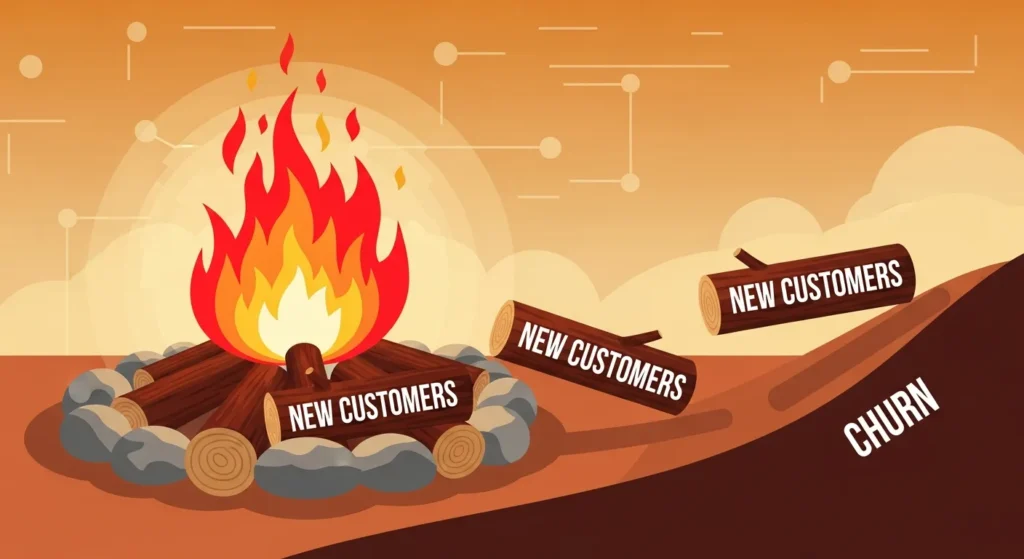
Running a SaaS company is like keeping a campfire burning. You’ve got to keep feeding it logs of new customers to keep the flames high. But if those logs keep slipping out or burning up too fast, your fire’s going to die. That’s churn: customers slipping away, taking your revenue and growth with them. A high SaaS churn rate isn’t just a number, it’s a signal your customers aren’t finding the warmth they expected from your product. Maybe it’s too hard to use, or they’re not getting the value they signed up for. Whatever the reason, churn can choke your business if you don’t act.
I have been in the SaaS world for years, both as a founder and consultant, I’ve seen companies struggle with churn and succeed. It’s not about the gimmicks or shortcuts, it’s all rooted in knowing your customers: how to give them real value and cultivate relationships that stick. In this article guide, I’m going to reveal my five training-earned tactics for lowering churn and KEEP customers singing your praises. These are lessons from the trenches – supported by actual stories and data – that will help you retain your customers and gain traction in your SaaS business. Let’s get to work.
The Pain of Churn: Why It Matters
Churn is the gut punch every SaaS founder dreads. It’s not just about losing a subscriber—it’s about losing momentum. Every customer who cancels chips away at your recurring revenue, the heartbeat of your business. Worse, it forces you to pour more money into acquiring new customers, which can cost five to seven times more than keeping the ones you’ve got. And if those churned customers start badmouthing you on X or review sites, your reputation takes a hit.
So, what’s churn exactly? It’s the percentage of customers who ditch your service over a set period. Say you start the month with 1,000 customers and 50 cancel that’s a 5% SaaS churn rate. Sounds manageable, but let it compound, and you’re losing nearly half your base in a year. For a SaaS company, that’s a death knell. The fix? Get serious about customer retention and churn prevention. Here’s how to do it.
Strategy 1: Dig Deep to Understand Why They’re Leaving

You can’t stop churn if you don’t know why it’s happening. A few years ago, I helped a SaaS startup that was losing 12% of their customers every month. They were clueless about the cause. We rolled up our sleeves, dug into their data, and found that users who didn’t use their analytics dashboard were three times more likely to cancel. That was the key to turning things around. To reduce churn, you’ve got to play detective and uncover what’s driving customers away.
Get Nosy with Your Data
Start by calculating your SaaS churn rate and slicing it up by customer type freelancers, startups, enterprises, monthly vs. annual plans. Tools like Heap or Amplitude can show you what users are doing (or not doing). Are they skipping key features? Logging in less often? Getting stuck on errors? For example, a task management tool might find that users who don’t create a project within seven days are likely to bolt.
Exit surveys are your best friend here. When someone cancels, ask why. Keep it short a dropdown with options like “Too pricey,” “Not useful enough,” or “Found something better,” plus a text box for details. One company I worked with learned that 35% of their churn came from users who found their app “overwhelming.” That led to a simpler interface and better tutorials, cutting churn by 10%.
Spot Trouble Before It Hits
Predictive analytics can flag customers who are about to jump ship. Tools like Totango or ChurnZero track behaviors like dropping login frequency or ignoring features. I once helped a SaaS email platform set up alerts for users who hadn’t sent a campaign in two weeks. They reached out with personalized tips, and their SaaS churn rate dropped by 15%.
Turn Insights into Wins
Data’s only useful if you act on it. If users are leaving because they’re confused, revamp your onboarding. If pricing’s the problem, test a cheaper plan. One company I advised noticed that users who didn’t integrate their tool with Slack were churning fast. They created a one-click Slack integration and saw churn fall by 12%.
Story: How HubSpot Cracked the Churn Code
HubSpot, the CRM powerhouse, had a churn problem in their early days. By diving into their data, they found that users who didn’t touch their email automation features were dropping like flies. They fought back with in-app nudges, video guides, and a free training academy. Within six months, their customer retention jumped, and churn fell by 20%.
Tools to Get You Started
- Heap: Tracks user actions to spot trends.
- Totango: Flags at-risk customers with predictive scores.
- Typeform: Runs quick, user-friendly exit surveys.
By digging into why customers leave, you’ll find the levers to reduce churn and keep them hooked.
Strategy 2: Make Onboarding Feel Like a Warm Hug
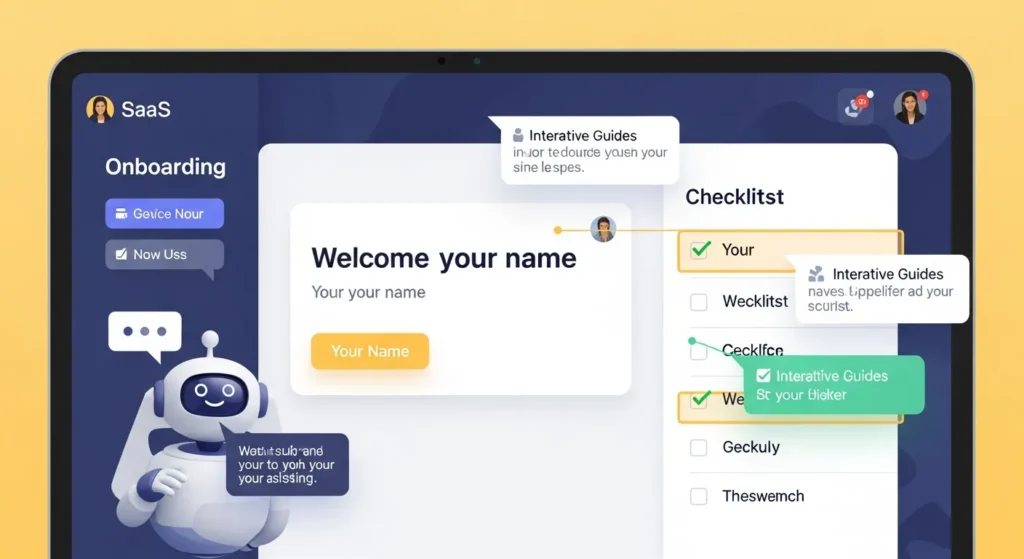
I once signed up for a SaaS tool that promised to simplify my workflow. Ten minutes in, I was staring at a blank screen with no clue where to start. No welcome email, no guide nothing. I canceled the next day. That’s what a bad onboarding experience does: it sends customers running. To improve customer loyalty, your onboarding needs to feel like a friendly guide showing users the way.
Tailor It to Them
Every customer’s different. A solo freelancer using your marketing tool doesn’t need the same onboarding as a corporate team. Segment your users and customize their experience. When I helped a SaaS company redo their onboarding, we created paths for small businesses, enterprises, and individuals. Small businesses got a quick setup guide, while enterprises got a deep dive into integrations. Churn dropped by 8% in three months.
Tools like Appcues can build tailored in-app flows. Show a developer how to connect your API, or a marketer how to launch a campaign. A checklist “Do these 5 things to get started” keeps users on track.
Show the Magic Fast
Your job is to get users to that moment where they go, “Wow, this is awesome.” If you’re a design tool, help them create a killer graphic in minutes. If you’re a CRM, guide them through adding their first lead. Canva does this brilliantly with prompts like “Pick a template” or “Add your logo.” It’s simple and shows value right away.
Be There for Them
Onboarding isn’t just about tutorials, it’s about support. Offer live chat for quick questions, a knowledge base with short videos, and a personal touch. A welcome email from a real person (not “team@”) makes users feel seen. One company I worked with assigned a success rep to every new user for 30 days. Feature adoption soared, and churn fell by 10%.
Keep Tweaking
Track metrics like time to first value (how long until users do something meaningful) and onboarding completion rates. If users are bailing halfway through your setup, simplify it. Test shorter guides or progress bars. One SaaS tool I advised added a “You’re 75% done!” meter, and completion rates jumped by 12%.
Story: Slack’s Onboarding Playbook
Slack’s onboarding is like a friendly tour guide. Their chatbot walks users through creating a channel, inviting teammates, and setting up integrations. Emails nudge users to finish key steps, and in-app prompts highlight features like file sharing. This hands-on approach ensures users see Slack’s value fast, leading to a rock-bottom SaaS churn rate.
Tools to Nail Onboarding
- Appcues: Builds custom onboarding flows.
- Intercom: Sends personalized welcome messages.
- WalkMe: Creates interactive guides for complex tools.
A warm, effective onboarding process is your first step to customer retention.
Strategy 3: Be Their Hero with Top-Notch Support
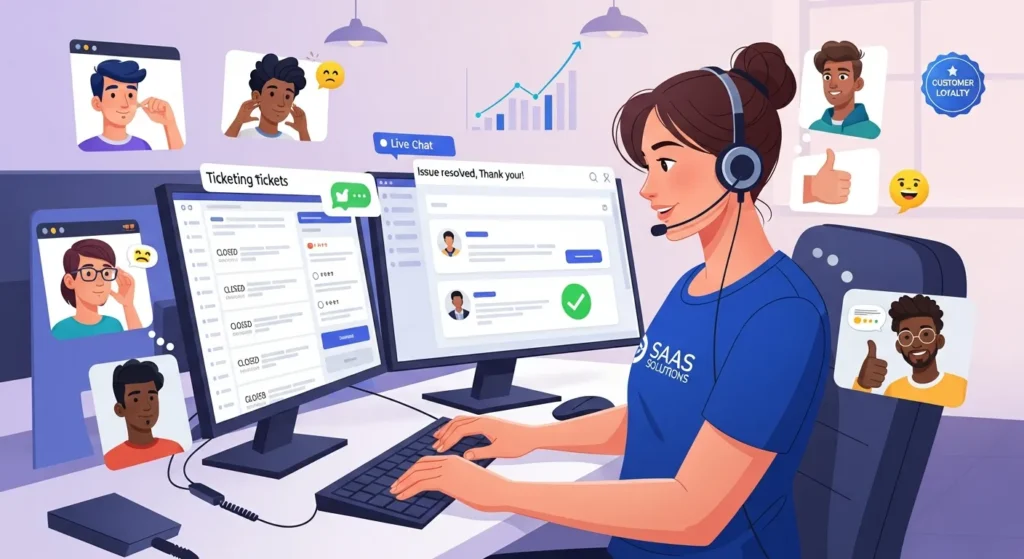
I once had a billing mix-up with a SaaS tool. I emailed support and got a robotic reply two days later. I was out the door by day three. Bad support can turn a small issue into a lost customer. Great support, though? It can make users love you even more. To reduce churn, make your support a superpower.
Give Them Options
Customers want help their way. Offer:
- Live Chat: For instant fixes. Tools like Drift are game-changers.
- Email Support: For complex issues that need back-and-forth.
- Knowledge Base: A hub with FAQs and video tutorials.
- Forums: A place for users to swap tips and ideas.
One SaaS company I advised added live chat and saw churn drop by 10%. Users loved the quick responses, and the team resolved issues in half the time.
Train Your Team to Shine
Your support crew is your frontline. Make sure they:
- Know Your Product: They should be wizards with every feature.
- Show Empathy: A simple “I’m sorry you’re stuck—let’s fix it” works wonders.
- Move Fast: Use ticketing systems like Zendesk to stay organized.
Get Ahead of Trouble
Proactive support is a secret weapon. Use tools like HubSpot to spot issues—like a user hitting the same error repeatedly. Reach out with, “We noticed you’re having trouble with X. Can we help?” A project management tool I worked with sent proactive emails to users who hadn’t created a project in 10 days. Churn fell by 9%.
Track What Matters
Measure support metrics:
- First Response Time: Aim for under 10 minutes for chat, 1-2 hours for email.
- Resolution Time: Speed matters, but so does quality.
- CSAT: Ask users to rate their experience.
Story: Zendesk’s Support Mastery
Zendesk lives customer support. They use their own platform to monitor user behavior and offer proactive help, like suggesting integrations to struggling users. This approach boosted customer retention by 15% in a year.
Tools to Boost Support
- Zendesk: Streamlines tickets and analytics.
- Drift: Powers real-time chat.
- Freshdesk: Offers affordable multichannel support.
Heroic support builds trust and keeps customers from jumping ship.
Strategy 4: Keep Your Product Fresh and Valuable
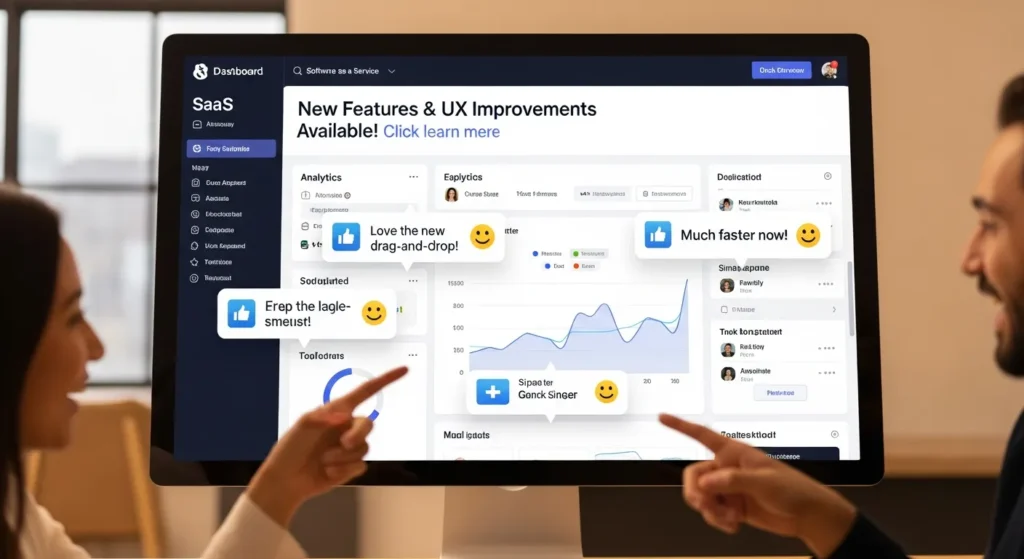
A stale product is a churn magnet. I once used a SaaS tool that hadn’t updated in years—same bugs, same dated interface. I switched to a competitor that kept things fresh. To reduce churn, your product needs to evolve with your customers’ needs.
Listen to Your Users
Feedback is your roadmap. Ask users what they love and what frustrates them through:
- Surveys: Use Typeform for quick insights.
- In-App Feedback: Let users submit ideas directly.
- 1:1 Calls: Talk to key customers for deep dives.
One analytics tool I advised added customizable reports after users complained about rigid templates. Churn dropped by 10%.
Roll Out Updates
Keep your product alive with:
- New Features: Solve new problems or enhance old ones.
- Bug Fixes: Squash issues that annoy users.
- Performance Tweaks: Speed up workflows and improve UX.
Announce updates via email, in-app messages, or a blog. Show users how each change makes their lives better.
Obsess Over UX
A clunky interface drives churn. Run usability tests to find pain points—like a confusing menu or slow load times. One SaaS company I worked with simplified their dashboard after user feedback, and their SaaS churn rate fell by 8%.
Story: Canva’s Innovation Engine
Canva keeps users hooked by adding new templates, integrations, and tools like video editing. They listen to feedback through surveys and forums, ensuring their product stays relevant. This has helped them maintain one of the lowest churn rates in the design space.
Tools to Drive Improvement
- Hotjar: Spots UX issues with heatmaps.
- Jira: Tracks feature development.
- UserTesting: Runs usability tests.
A product that keeps getting better is one that customers stick with.
Strategy 5: Build a Tribe That Sticks Together
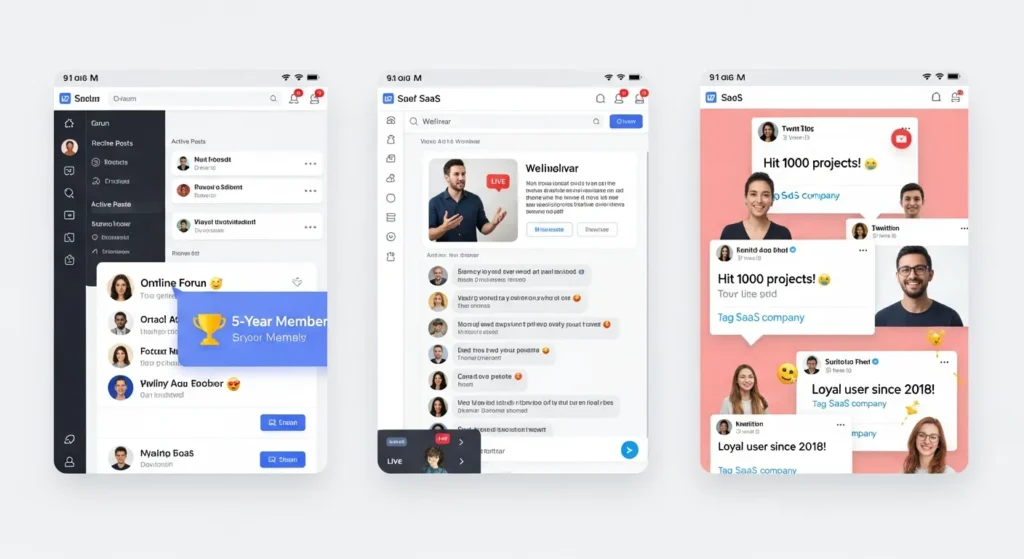
Loyalty isn’t just about your product it’s about the connection you create. I once joined a SaaS community where users shared tips and celebrated wins. It made me feel like part of a club, and I stayed longer. To improve customer loyalty, build a tribe and reward your users.
Create a Community
Foster connection through:
- Forums: Use Discourse for user-led discussions.
- Social Groups: Start a LinkedIn or Slack group.
- Events: Host webinars or user meetups.
Salesforce’s Trailblazer Community is a gold standard. Users swap ideas, solve problems, and feel invested, driving retention.
Reward Loyalty
Show users you value them with:
- Discounts: Offer deals for long-term subscribers.
- Exclusive Perks: Give access to premium features.
- Milestone Emails: Celebrate anniversaries like “One year with us!”
One company I advised offered 10% off for two-year renewals, cutting churn by 7%.
Personalize Engagement
Use data to tailor interactions. Send emails celebrating user milestones or suggesting features based on their usage. A personal touch makes users feel valued.
Story: Dropbox’s Referral Play
Dropbox’s referral program gave users extra storage for inviting friends. This turned customers into advocates, slashing churn by 30% in their early years.
Tools to Boost Engagement
- Discourse: Powers community forums.
- Mailchimp: Sends personalized emails.
- Eventbrite: Manages events.
A loyal tribe is your best defense against churn.
Tracking Your Progress
Measure your success with:
- Churn Rate: Monitor monthly and annual trends.
- CLV: Track revenue per customer.
- NPS: Gauge loyalty and satisfaction.
- Engagement: Measure logins and feature usage.
Use Tableau or Power BI to visualize data and refine your approach.
Going Further: Advanced Churn Busters
- Customer Success Managers: Assign reps to guide key accounts.
- Behavioral Emails: Trigger messages for inactivity or milestones.
- Flexible Pricing: Offer plans for different budgets.
- A/B Testing: Test onboarding or support tweaks.
Adobe’s Creative Cloud used success managers to boost enterprise retention by 10%.

Conclusion
You know what, quantity customer stir is a multifaceted task that requires a strategic, data-driven method. By leveraging insights to understand customer behavior, optimizing onboarding, delivering exceptional material, continuously improving your product.
Expansion allegiance through engagement and incentives, you can significantly reduce stir and build a loyal customer base. Also, these group proven strategies, when implemented thoughtfully, will aid you lower your SaaS stir importance, improve customer allegiance, and energy sustainable expansion.
See, process by analyzing your context swirl percentage and identifying areas for improvement. Furthermore – cause, put in place these strategies thing by thing, temperature their influence and purity your method over condition.
But – with an activity on customer retention and swirl prevention, your SaaS business can thrive in a competitive service, delivering standard to customers and maximizing long-expression profitability.